
Sleep Apnea & Your Oral Health
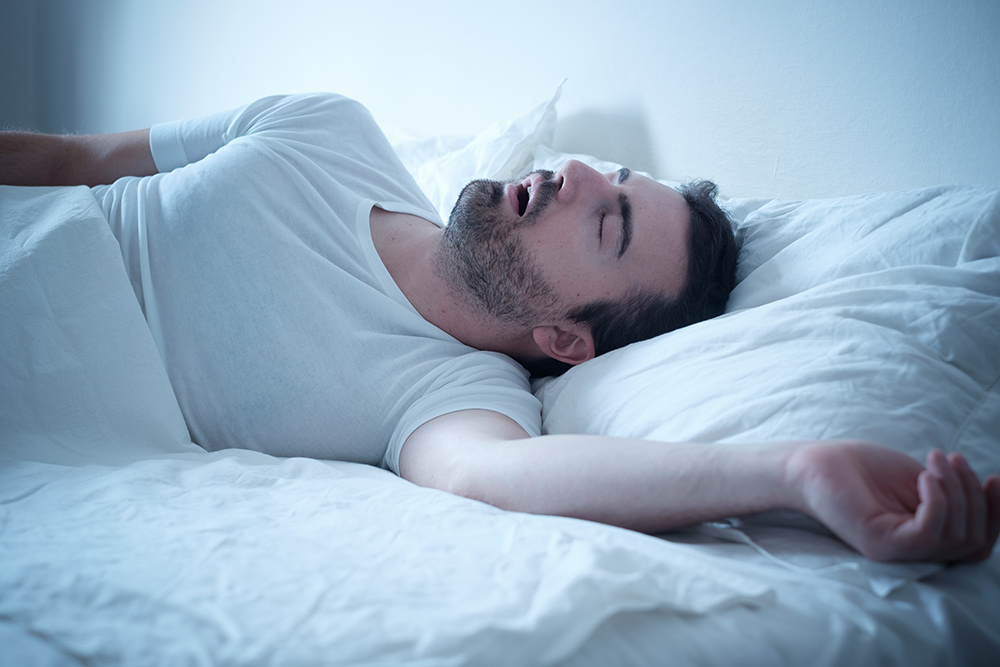
Sleep apnea is a serious, often undiagnosed condition that affects how you breathe during sleep. It can impact your energy, heart health, and overall quality of life - and your dentist can play an important role in identifying and treating it.
What Is Sleep Apnea?
Sleep apnea occurs when breathing repeatedly stops and starts during sleep. The most common type, obstructive sleep apnea (OSA), happens when the airway becomes partially or completely blocked - often due to the position of the tongue, jaw, or soft tissues in the throat.
Why It Matters
Untreated sleep apnea is more than just snoring. It can lead to:
- Morning headaches
- Chronic fatigue and daytime sleepiness
- Difficulty concentrating
- Mood changes, anxiety, or irritability
- High blood pressure and increased risk of heart disease
- Teeth grinding (bruxism) and jaw discomfort
- Dry mouth and increased risk of cavities and gum disease
Many patients are unaware they have sleep apnea until a partner notices loud snoring, gasping, or pauses in breathing.
How We Screen for Sleep Apnea
During your dental visit, we look for signs that may indicate sleep apnea, including:
- Worn or flattened teeth from grinding
- A scalloped tongue or restricted airway space
- Jaw position and bite alignment
- Patient-reported symptoms like snoring or poor sleep
If risk factors are present, we may recommend further evaluation.
Testing & Diagnosis
A definitive diagnosis requires a sleep study, which can be done in two ways:
- At-home sleep testing – a convenient, portable device monitors breathing, oxygen levels, and sleep patterns
- In-lab sleep study – conducted overnight in a specialized facility for more comprehensive evaluation
Results are interpreted by a sleep physician, who determines the severity and confirms the diagnosis.
Treatment Options
Treatment depends on the severity of your condition and your individual needs. Options include:
1. Oral Appliance Therapy (Dental Solution)
Custom-made oral appliances gently reposition the lower jaw and tongue to keep the airway open during sleep.
- Comfortable and easy to wear
- Ideal for mild to moderate sleep apnea
- A great alternative for patients who cannot tolerate CPAP
2. CPAP Therapy
A continuous positive airway pressure (CPAP) machine delivers air through a mask to keep the airway open.
- Highly effective, especially for moderate to severe cases
- Requires consistent nightly use
3. Lifestyle Modifications
In some cases, small changes can significantly improve symptoms:In some cases, small changes can significantly improve symptoms:
- Weight management
- Sleeping on your side
- Avoiding alcohol or sedatives before bed
4. Medical or Surgical Options
For certain patients, ENT evaluation or surgical procedures may be recommended to remove airway obstructions.
Our Role in Your Care
As dental professionals, we are often the first to recognize signs of sleep apnea. We work closely with sleep physicians to:
- Identify risk factors early
- Provide custom oral appliances when appropriate
- Monitor your progress and comfort
Take the First Step Toward Better Sleep
If you or a loved one snores, feels constantly tired, or has been diagnosed with sleep apnea, we can help guide you toward effective, comfortable treatment.
Better sleep starts with a simple conversation - ask us about sleep apnea at your next visit.