
Dental Extractions in Morganton, NC
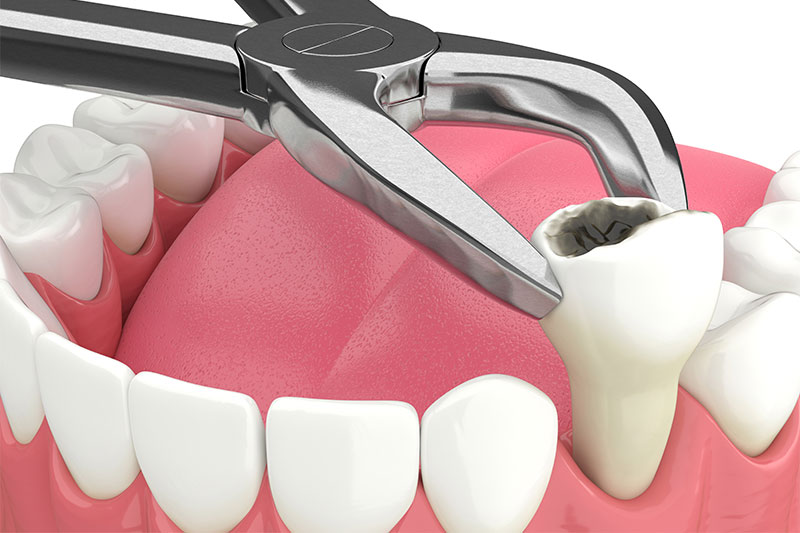
When problematic teeth are causing you pain and discomfort, remember that you have options. The goal is always to preserve your natural teeth, but sometimes extractions are the best way to go to save your smile.
Why Should You Have a Dental Extraction?
Although unpleasant, dental extractions are necessary to treat certain dental complications or prevent them from occurring. For instance, tooth extractions are necessary when you have tooth decay that has decimated most of the tooth. In such cases, you’re better off extracting the tooth and preventing the spread of dental decay. You might also need tooth extractions for teeth damaged from impact that are too damaged to be repaired. The same goes for supernumerary teeth or as a preparation for some dental procedures.
Basic Extractions
We offer basic extractions for the incisors and canines located in easily accessible regions of the mouth. All our extractions are handled by skilled and experienced dentists, sometimes with the help of an anesthesiologist. The procedure is fast, simple, and should take no more than 30 minutes.
Wisdom Teeth Extraction
We also offer wisdom teeth extractions for wisdom teeth located at the back of your mouth. You might need surgery or the dentist might break the teeth into fragments before pulling it out. This is necessary in cases where the roots are too deep or the tooth is difficult to access. We’ll ensure a seamless and painless extraction.
Impacted Wisdom Teeth Extraction
We extract impacted teeth that can easily get infected and lead to serious health complications. The dentist will make an incision in the gum tissue, and remove any blonde blocking access, before removing the impacted tooth. After extraction, you can explore dental implant restoration to replace the just-extracted tooth.
What to Expect During Tooth Extractions
-
Dental Evaluation and Anesthesia
The dentist will first examine your teeth to determine your suitability for a tooth extraction. This dental examination may involve taking x-rays and photographs of your teeth. If the dentist deems a tooth extraction necessary, they’ll inject lidocaine or epinephrine into the soft tissue near the affected tooth to numb it.
-
Tooth Loosening and Extraction
After the anesthesia kicks in, the dentist will use a dental instrument called an elevator to loosen the tooth from the socket. They’ll then use forceps to get a firm grip on the tooth, loosen it further, and pull it from the sockets. The dentist might break the tooth into pieces and remove one piece at a time for stubborn teeth.
-
Post-Extraction Care and Healing
The dentist will place a gauze pad on the extraction wound and ask you to bite down to stop the bleeding. The dentist will then clean the extraction site removing any debris before disinfecting it. They'll also give you instructions for taking care of your teeth and promoting healing. Healing takes seven to ten days.
Frequently Asked Questions
Check out these frequently asked questions, or call us to speak with our team.
Be sure to get some rest after your tooth extraction. Rest allows the body to heal properly, by focusing its energy on healing. Strenuous activity and vigorous exercise may raise your heart rate, causing throbbing and increasing the risk of bleeding in the wounded area. We recommend resting until the blood clot fully forms.
Certain foods may disrupt the healing of the tooth extraction wound. Examples of food to avoid after a tooth extraction include spicy foods, hot beverages like coffee, and acidic foods like lemons and pineapple. You’ll also want to avoid crunchy foods that may poke the wound and lastly steer clear of alcohol and tobacco.