
Dental Bonding in Morganton, NC
Contact us today! And discover how our skilled team here at Refine Dental can enhance your dental aesthetics and boost your confidence through the artistry of dental bonding.
What Is Dental Bonding?
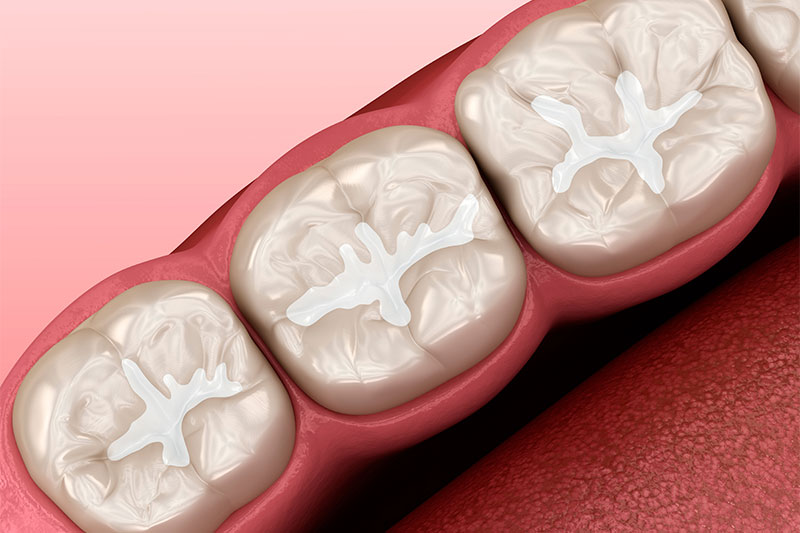
Dental, or composite bonding, is a smile enhancement technique that utilizes composite resin material in putty form to hide dental disfigurements. Dentists will apply layers of the resin material until they completely fill crevices and cracks. They can also use it to cover stains and minimize gaps between adjacent teeth. Dental bonding is one of the most affordable and least invasive cosmetic dental treatments available today.
Benefits of Dental Bonding
-
Fast Procedure
Most cosmetic dental treatments are lengthy, dragging on for hours and sometimes requiring more than one session. Dental bonding, on the other hand, is a quick procedure that usually takes thirty to sixty minutes in a single sitting. This makes it ideal for people who work tight schedules and may not have time for lengthier treatments.
-
Versatile Treatment
Dental bonding is a versatile treatment that you can opt for to address various cosmetic dental needs. Dentists usually recommend dental bonding for hiding minor cracks and chips on the teeth. The treatment is also great for concealing stains and closing awkward-looking gaps between teeth.
-
Doesn’t Require Anesthesia
Dental bonding is minimally invasive and hence doesn't require anesthesia. This makes the procedure more palatable for people with pain hypersensitivity or trypanophobia( the fear of needles). It also makes it ideal for kids.
The Dental Bonding Process
-
Consultation and Color Matching
Dental bonding starts with a consultation. The dentist will examine your teeth and determine the appropriateness of dental bonding for your case. If appropriate, the dentist will use a shade guide to find composite resin material that matches your tooth’s color before proceeding to the next step.
-
Preparation and Bonding Agent Application
With the appropriate resin shade in hand, the dentist will prepare your tooth for the bonding application. To do so, they’ll apply a mild etching acid on the affected region. This roughens the surface, increasing the surface area to apply the bonding material. Next, the dentist applies the bonding agent to the tooth.
-
Application of Composite Resin and Curing
Next, the dentist will layer the composite resin material player by layer until all the voids have been filled and the stains are completely covered. They’ll then expose the resin to a special blue light to cure it. This process only takes about five minutes and results in hardened resin that secures firmly to the tooth.
-
Shaping and Final Adjustments
Once the bonding material has set into the tooth, the dentist will use a drill and other instruments to shape it to its intended shape. Occasionally, they’ll ask you to bite into a thin sheet to register your bite. Once the tooth matches its natural contours and the bite registers correctly, they’ll release you with instructions for taking care of your nelly-bonded teeth.
Frequently Asked Questions
Check out these frequently asked questions, or call us to speak with our team.
While dental bonding is mostly a cosmetic treatment, it confers other restorative and preventative functions. For instance, dentists can use dental bonding to fill minor cavities, thus stopping the cavities from spreading to the rest of the teeth. It can also fill cracks to maintain the torah's structural integrity.
Yes, dental bonding is completely reversible unlike most other cosmetic procedures. Dentists will use special tools to sand down the composite resin material until none remains on your teeth. Aside from reversing the bonding, you can always touch it up to hide stains and regain your tooth’s natural color.